Tool directory
Founding 50 · Seat 13Poppy Seeds: Uses, Nutrition, Benefits & Buying Guide
poppy seeds,Austrian Dried Poppy Pods,Bell Cups,Blue Poppy Pod Seeds,Decorative Star Anise Pods,Dried Floral Heads,Dried Nigella Poppy Pods,Dried Papaver Poppy Pods (Grade A),Dried Poppy Pod Heads,Dried Poppy Pod Tea Heads
About Poppy Seeds: Uses, Nutrition, Benefits & Buying Guide
Poppy Seeds – A Complete Guide to Uses, Nutrition and Buying
Poppy seeds are small, oil-rich seeds widely used in baking, cooking and traditional dishes around the world. Their distinctive nutty flavour and delicate crunch make them a popular ingredient in bread, bagels, pastries, cakes, salad dressings and savoury recipes.
Whether you are learning how to use poppy seeds in the kitchen, comparing different varieties or looking for a reliable food-grade product, understanding their characteristics can help you make an informed choice. Whole and ground poppy seeds offer different textures, while freshness, packaging and storage all influence their quality.
Poppy seeds also deserve careful consideration from a food-safety perspective. Seeds from the opium poppy (Papaver somniferum) may become contaminated with opium alkaloids during harvesting and processing. Food regulations in some markets therefore set maximum permitted levels for these substances.
This guide explains what poppy seeds are, how they are used, what nutrients they provide, how to choose and store them, and which safety considerations matter when buying and preparing them.
What Are Poppy Seeds?
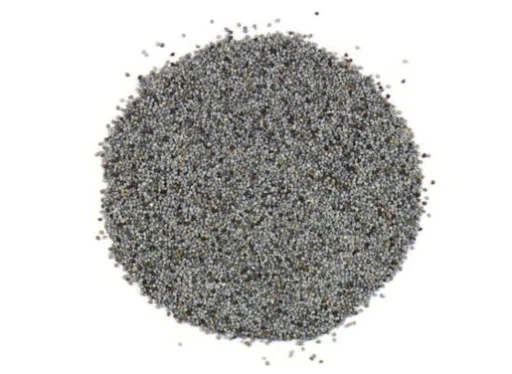
Poppy seeds are the edible seeds of poppy plants. Culinary poppy seeds commonly come from Papaver somniferum, a species cultivated for different purposes, including food production.
The seeds are small, kidney-shaped and available in several colours, including blue-grey, white and darker shades. Their flavour is mild and nutty, becoming more pronounced when they are toasted or incorporated into baked goods.
Poppy seeds are used in many culinary traditions. They can be sprinkled over bread, incorporated into pastry fillings, mixed into cake batter or added to savoury dishes for extra texture.
It is important to distinguish food-grade poppy seeds from other parts or preparations of the poppy plant. Only products specifically intended and legally marketed for food use should be used in cooking.
Types of Poppy Seeds
Blue Poppy Seeds
Blue poppy seeds are common in European baking. Their blue-grey appearance and nutty flavour make them suitable for bread, rolls, cakes, pastries and traditional poppy-seed fillings.
White Poppy Seeds
White poppy seeds have a lighter colour and are used in selected regional cuisines, sauces, spice blends and baked dishes. Their appearance can be useful when a recipe calls for a pale-coloured ingredient.
Grey and Other Varieties
Grey and other poppy-seed varieties may be available depending on the producer and growing region. Differences in flavour, size and oil content can depend on the variety, growing conditions and processing methods.
When choosing a variety, consider the recipe, the desired appearance and whether the seeds will be used whole or ground. How Are Poppy Seeds Used in Cooking?
Poppy seeds are versatile, working in both sweet and savoury recipes. Their small size makes them easy to distribute throughout doughs, toppings, dressings and fillings.
H3: Poppy Seeds for Baking
Poppy seeds are widely used in:
Bread and bread rolls
Bagels and savoury buns
Cakes and muffins
Pastries and strudels
Biscuits and cookies
Sweet yeast breads and traditional desserts
Whole seeds are often sprinkled over dough before baking. Ground seeds are useful in fillings because they create a finer, more cohesive texture.
Poppy Seeds in Savoury Dishes
Poppy seeds can add crunch and a mild nutty flavour to salads, roasted vegetables, noodles, dressings and savoury breads.
They pair well with ingredients such as lemon, honey, yoghurt, mustard and fresh herbs. For the best result, use them in proportions that complement the other flavours rather than overpowering the dish.
Poppy Seeds in Desserts
Poppy seeds are a familiar ingredient in cakes, sweet rolls, pastries and regional desserts. They work particularly well with citrus flavours, vanilla, apples, pears and dairy-based fillings.
For recipes that require a smooth filling, ground poppy seeds may be more suitable than whole seeds.
Poppy Seeds Nutrition
Poppy seeds contain dietary fat, protein, fibre and several minerals. Their nutritional composition varies according to the product, variety and processing method.
They are energy-dense because they contain a substantial amount of fat. As with other seeds and nuts, serving size should be considered as part of the overall diet.
For accurate nutritional information, check the product label or a recognised food-composition database. Pay attention to the serving size and the values listed for energy, total fat, saturated fat, protein, carbohydrates, fibre and salt.
Are Poppy Seeds a Source of Minerals?
Poppy seeds can contribute minerals to the diet, including calcium, phosphorus, magnesium and iron. The amount available from a serving depends on the product and portion size. Nutrient content alone does not determine how much the body absorbs.
- Category
- Health & lifestyle
- Plans & pricing
- See the official website for current plans.
This is a directory listing, not an independent review. Confirm features and current plans on the official website.
Report an issue